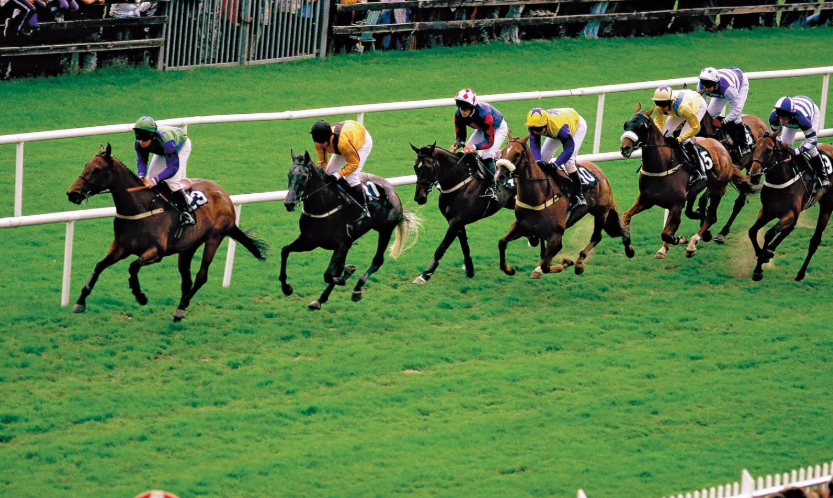
The evolution of Derby fashion reveals a complex relationship between cultural shifts and individual expression. Early 20th-century styles emphasized sophistication, while mid-century designs drew from Hollywood’s glamour. Today, Derby attire reflects a vibrant mix of bold statements and personal identity, showcasing creativity. This transformation underscores the Derby’s significance as a cultural mirror and a platform for fashion innovation. What factors have driven these changes, and how do they continue to shape contemporary styles?
The Glamorous Beginnings: Derby Fashion in the Early 20th Century
As the 20th century dawned, the fashion surrounding the Derby evolved into a spectacle of sophistication and grandeur, reflecting broader societal changes and the burgeoning influence of the elite.
Flapper dresses, with their daring hemlines and vibrant fabrics, contrasted sharply against the tailored suits of gentlemen, symbolizing a shift towards modernity.
This interplay of styles captured the essence of a society embracing newfound freedom and expression.
See also: The Evolution of Horse Racing Rules
Mid-Century Chic: The Influence of Hollywood and Social Change
While the glamour of Hollywood permeated popular culture in the mid-20th century, Derby fashion simultaneously underwent a transformation that mirrored the era’s social upheavals and evolving gender roles.
The influence of Hollywood glamour inspired bold colors and innovative designs, reflecting the social revolution that empowered women.
As traditional constraints loosened, Derby attendees embraced more expressive styles, blending elegance with newfound freedom.
Modern-Day Expression: Bold Styles and Personal Identity in Derby Fashion
With the rise of individualism in contemporary society, Derby fashion has evolved into a vibrant canvas for personal expression, where attendees showcase their unique identities through bold styles and innovative choices.
Statement pieces have become essential, allowing individuals to exhibit their individual flair.
This evolution reflects broader cultural shifts, championing authenticity and creativity, transforming the Derby into a spectacle of diverse personal narratives and fashion-forward thinking.
Conclusion
In examining the evolution of Derby fashion, one might theorize that the changing styles reflect broader societal transformations. As each era embraces unique influences, from the flapper elegance of the early 20th century to today’s bold, expressive pieces, it becomes evident that Derby attire is not merely about aesthetics. Instead, it serves as a barometer for cultural trends and personal identity, suggesting that fashion at the Derby may continue to evolve in tandem with societal values and individual expression.