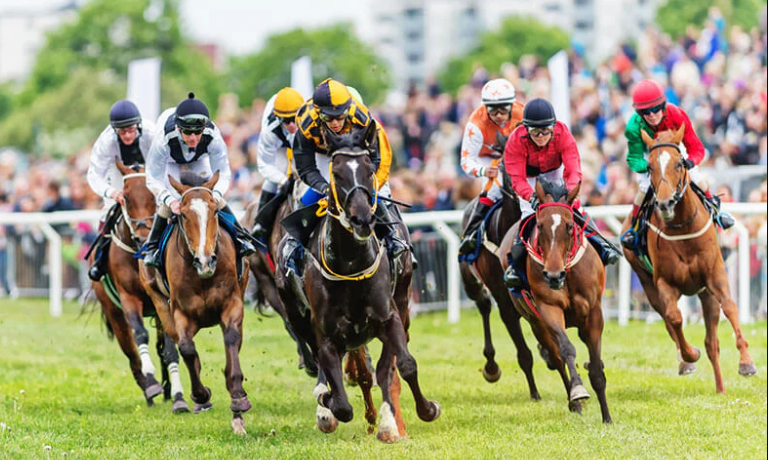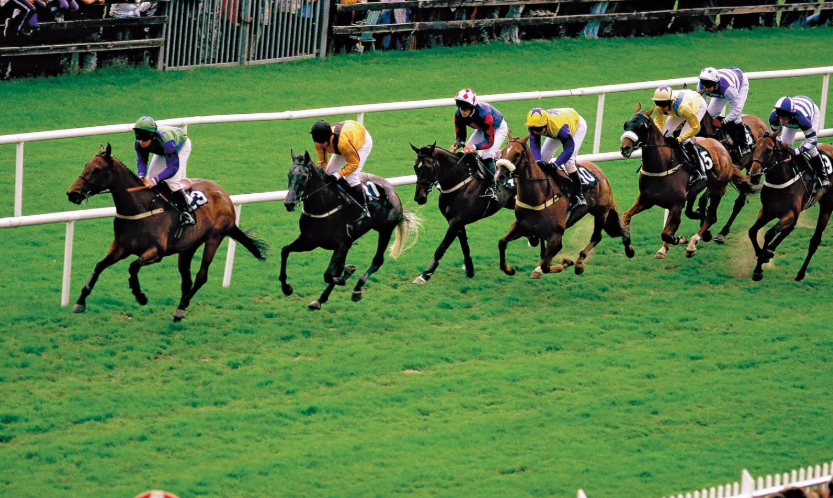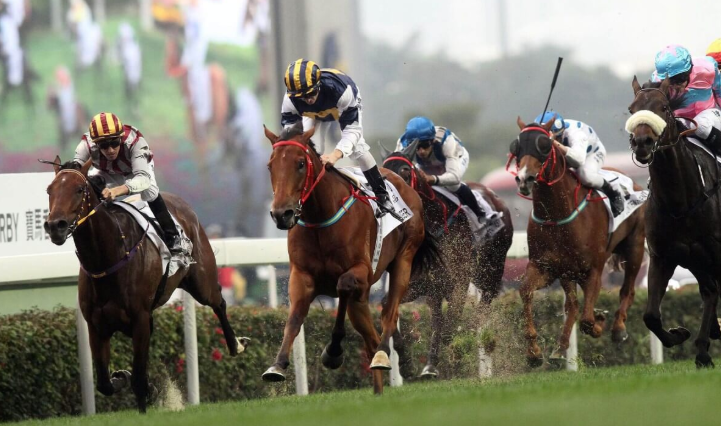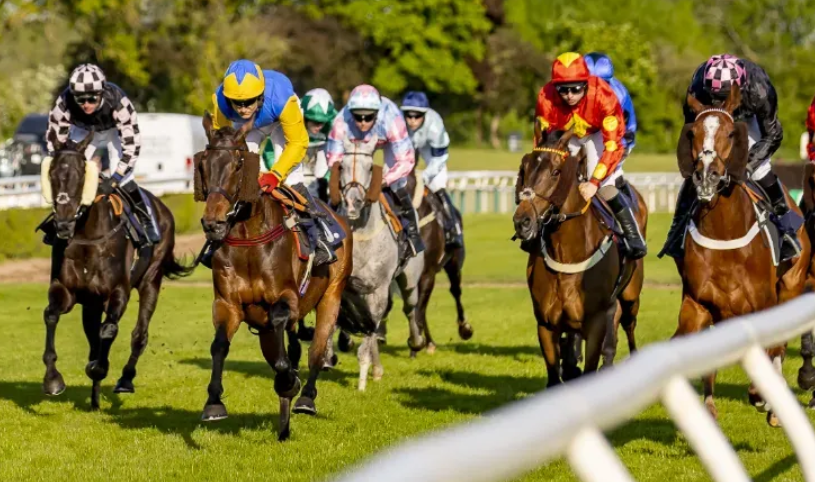
The emotional intelligence of racehorses is often overlooked yet profoundly influential. These animals exhibit a range of emotions that affect their training and performance. Trainers who recognize and respond to these emotional states can cultivate resilience and focus in their horses. This connection not only enhances performance but also nurtures the well-being of both horse and handler. What implications does this understanding have for the future of equine training and success on the racetrack?
Understanding Equine Emotions
Equine emotions play a crucial role in the behavior and performance of racehorses, offering insights into their mental states and well-being.
Observers note that horses exhibit emotional awareness, responding to nuanced social cues and displaying equine empathy towards their companions.
Understanding these emotional dynamics fosters a deeper appreciation for their needs, ultimately promoting a more compassionate and liberated environment for these magnificent animals.
See also: The Ethics of Breeding for Speed
The Human-Horse Connection
The bond between humans and horses transcends mere companionship, revealing a profound connection rooted in shared emotions and mutual understanding.
Effective bonding techniques, such as gentle grooming and consistent routines, foster trust. Observing communication cues like ear movements and body posture enhances this relationship, allowing for a deeper emotional exchange.
This synergy not only enriches their interactions but also celebrates the freedom found in their partnership.
Enhancing Performance Through Emotional Intelligence
Harnessing emotional intelligence can significantly enhance the performance of racehorses, as it influences their ability to respond to training and competition pressures.
Implementing performance strategies that include emotional training allows trainers to cultivate resilience and focus in their horses.
This approach fosters a deeper understanding between horse and handler, ultimately unlocking the potential for greater success on the racetrack and a sense of freedom in their performance.
Conclusion
In the intricate dance between horse and handler, emotional intelligence emerges as the silent whisper guiding their journey together. By attuning to the nuanced emotional landscapes of racehorses, trainers unlock not only the horses’ potential but also deepen the bond that fuels their shared success. As they navigate the pressures of training and racing, this profound understanding becomes the cornerstone of resilience, transforming challenges into triumphs on the racetrack and enriching the lives of both equine and human partners.